
Year 5. August 31. Welcoming and Supporting Members of Our Community
One of the “routine” aspects of my job is signing offer letters for the remarkable faculty that we recruit to UCLA each year. I review each candidate’s CV and am amazed by the talent and accomplishments of those that chose to join the UCLA Department of Medicine (DoM). The majority of our recruits join the faculty on the Health Sciences Clinical track, with a mission focus that is primarily clinical. We take our responsibility seriously to ensure that each new member of our faculty is given the tools that will enable them to thrive and succeed here at UCLA. As such, this week I shine a spotlight our Department of Medicine Professional Group (DMPG), their onboarding initiatives and spotlight some of the work of the DoM’s wellness office, whose mission is to ensure that we maintain strong and grassroots connections with our faculty, with the goal of ensuring that department leadership understands and responds to issues that could impact their ability to have fulfilling careers in the DoM. Read on to learn more about some of the remarkable new faculty who recently onboarded in the DoM, your colleagues who serve in the DMPG leadership and our 2026-2027 DoM Wellness Champions!
DMPG Physician Onboarding Program Welcomes New Faculty for 2026-2027
One of the UCLA Department of Medicine's most impactful faculty development initiatives is officially underway. On August 5, the Department of Medicine Professional Group (DMPG) welcomed a new cohort of physicians to the 2026-27 DMPG Physician Onboarding Program during an introductory session at the UCLA Luskin Conference Center. The event brought together 46 faculty members representing primary care, hospital medicine and subspecialty practices across UCLA Health's expansive clinical network, stretching from San Luis Obispo in the north to Redondo Beach in the south.
Designed to help new physicians successfully navigate academic medicine and establish productive careers at UCLA, the yearlong onboarding program provides participants with the knowledge, connections and resources needed to thrive professionally and personally.


I enjoyed participating in the kickoff session by introducing faculty to the DoM’s mission, structure and strategic priorities. I also shared the department's vision for the future and led faculty introductions, helping participants begin building connections with colleagues across divisions and clinical sites.


Me, leading the "Icebreaker" portion as we get to know the onboarders and their fun fact.
The most enjoyable part for me was getting to know who the onboarders were, by getting each one to introduce themselves and share a fun fact. Beyond their impressive clinical and academic accomplishments, members of this year's onboarding class bring a wide range of unique experiences and interests. Among them are David A. Baltazar, DO, dermatology, San Luis Obispo Primary & Specialty Care, a former physical therapist; Tom Chen, MD, general internal medicine and health services research (GIMHSR), Encino Primary Care, a former ice hockey competitor; Michael T. Cemiglia, MD, Westlake Hematology-Oncology, a beekeeper; Annika Dries MD, Hospitalist at UCLA West Valley Medical Center and Olive View, a water polo Olympic Gold medalist in the 2012, London Olympics, David A. Kellner, MD, Westwood Rheumatology, a former kayaking guide; Daniel C. Fu, DO, GIMHSR, Burbank Primary Care, a physician whose MRI interpretation once made national sports headlines; Emmanuel (Manny) Magsino MD, Hospitalist at Ronald Reagan UCLA Medical Center, a Judo Athlete: Ranked #1 in the USA for the M2 –81kg Division in 2025; and Katayoun Khoshbin, MD, Santa Monica and Westwood Endocrinology, whose Persian surname means "optimistic," a quality our onboarders proudly embody. These personal stories underscore the diversity of experiences and perspectives that enrich our department and strengthen our community.


Throughout the kick-off event, programming highlighted opportunities for engagement in education, leadership, community impact and professional growth. Faculty heard from Jodi Friedman, MD, FACP, vice chair for education, on faculty development and teaching opportunities; Keith Norris, MD, PhD, executive vice chair for community engagement and inclusive excellence, on advancing community partnerships and health equity; and Janet Pregler, MD, FACP, interim executive clinical vice chair, who provided an overview of the organizational structure of UCLA Health, the David Geffen School of Medicine, DMPG and the UCLA Department of Medicine.
A key goal of the program is fostering meaningful connections among physicians who practice across UCLA Health's diverse and geographically distributed network. The session concluded with regional breakout discussions that provided new faculty with an opportunity to meet local colleagues, learn about regional resources and begin building professional relationships that will support collaboration and patient care throughout their careers at UCLA.


The onboarding program continues to grow in both size and reach. As of August 25, 129 faculty members were enrolled in this year's onboarding cohort, representing 18 divisions and sections across the department. The largest groups include hospital medicine, family medicine, cardiology, internal medicine, pulmonary and critical care medicine, dermatology, endocrinology and rheumatology, reflecting the broad scope of clinical expertise joining the DoM this year. Enrollment remains ongoing and will continue throughout the academic year.
The program also continues to evolve to meet the needs of faculty learners. New this year, participants have the opportunity to earn Continuing Medical Education (CME) credit through professional education and training activities that meet Accreditation Council for Continuing Medical Education (ACCME) criteria, further strengthening the program's commitment to lifelong learning and professional development.
Thank you to the DMPG leadership team, faculty presenters, clinical chiefs, regional medical directors, clinical directors, division administrators and program staff whose dedication makes this initiative possible. Their commitment helps ensure that every new faculty member is welcomed, connected and positioned for success from day one.

In Conversation with… Stephen P. Vampola, MD, MS, DMPG President
It is my pleasure to introduce our new 2026-2027 DMPG President, Stephen P. Vampola, MD, MS. A Southern California native, Dr. Vampola has built a career that reflects his passion for science, technology and innovation. He earned engineering degrees from UC Santa Barbara and UCLA where his interest in the biomedical applications of technology inspired an interest in medicine and led him to become a physician. He found the ideal intersection of those interests in cardiology, where he is able to combine cutting edge technology with patient-centered care. Throughout his training, Dr. Vampola has studied and worked across three UC campuses. Today, he is proud to serve UCLA in his hometown while also contributing to undergraduate medical education initiatives at UC Santa Barbara. I invite you to learn more about Dr. Vampola in this installment of “In Conversation With…”
What inspired you to take on this leadership position? What does this mean to you personally and professionally?
I believe that institutions, particularly medical ones, do better when their members are involved. Because of this, it is important for people to take on leadership roles when the opportunities arise. I hope this role helps me leave a positive impact on clinical practice at UCLA and that it encourages other DMPG members to remain actively involved in our practice.
The DMPG plays an important role in supporting faculty across a large and diverse clinical network. What are your priorities for the coming year and what impact do you hope to make for our faculty community?
The fact that DMPG has such a large and diverse clinical network is probably the main reason that I chose to pursue this leadership opportunity. Our UCLA Department of Medicine has an incredible history that has resulted in a strong culture. However, in recent years our successful expansion beyond Los Angeles has strained aspects of that culture. I have had the opportunity to experience UCLA on campus, in Greater Los Angeles and in a fairly remote location. My priority is to try to solidify the UCLA culture that we share so that every practicing physician is just as integral and invested, regardless of location.
Faculty onboarding is one of DMPG's signature programs. Why is it important to invest in onboarding, mentorship and community-building for new faculty members?
Aside from its important role in learning the ‘ins and outs’ of practicing in the UCLA Department of Medicine, onboarding is the first opportunity that our new physicians have to meet and interact with colleagues outside of their local clinic. This warm introduction is essential in maintaining a collegial culture, which has benefits both for patient care and for professional development.
Looking back on your own journey at UCLA, what advice would you offer to faculty who are just beginning their careers within the UCLA Department of Medicine?
My advice for anyone who is starting a career at UCLA with the DoM is to try to get involved as early as possible with activities beyond just your clinical practice. A privilege of being part of a faculty practice are the missions of education, research and community service. Participation in these can be a great source of career satisfaction and can be a great way to collaborate with colleagues. It can also result in opportunities to help meaningfully influence how the department runs. It can be tempting as a new-hire to focus exclusively on your clinical practice, but non-clinical activities are a great way to have long-term career satisfaction.
What’s one fun fact, hobby or personal interest that colleagues may be surprised to learn about you?
A fun fact about me is that I recently obtained chickens and turkeys in my backyard. This was very interesting for someone who grew up on the beach and nowhere near a farm. The chickens lay fresh eggs. The turkeys are so friendly that they have become pets.
Celebrating Our UCLA Department of Medicine Wellness Champions
Creating a culture of well-being takes more than programs and resources. It takes dedicated individuals who champion connection, encourage balance and help foster a supportive environment where colleagues can thrive. Across the DoM, our wellness champions serve as these invaluable advocates, helping to promote wellness initiatives, elevate resources and strengthen a sense of community within their divisions, sections and teams.
Whether they are organizing local wellness activities, sharing resources, gathering feedback or developing and advocating for initiatives that prioritize well-being, wellness champions play an important role in advancing the department's commitment to a healthy, engaged and resilient workforce. Their efforts will help create opportunities for connection, support professional fulfillment and reinforce our shared belief that caring for ourselves and one another is essential to delivering exceptional patient care, education and research.
Today, we are proud to recognize and celebrate these remarkable individuals whose leadership and enthusiasm help make wellness a visible and meaningful part of our departmental culture. In the profiles below, you'll meet several of our 2026-2027 wellness champions, learn what inspired them to get involved and discover how they are helping build a stronger, more connected DoM community, one act of support at a time.
"Our wellness champions are at the heart of our efforts to build a culture of well-being across the department of medicine. They bring wellness to life within their divisions and teams by creating connection, listening to and advocating for their colleagues and helping turn our shared commitment to well-being into meaningful action. I am deeply grateful for their leadership, enthusiasm and dedication to making the DoM a place where we thrive,” stated DoM Chief Wellness Officer Joshua Khalili, MD.

Please join us in thanking our 2026-2027 DoM Wellness Champions for their dedication, service and commitment to the well-being of our faculty and staff. Their contributions make a lasting difference throughout the department.
DIVISION WELLNESS
CHAMPIONS
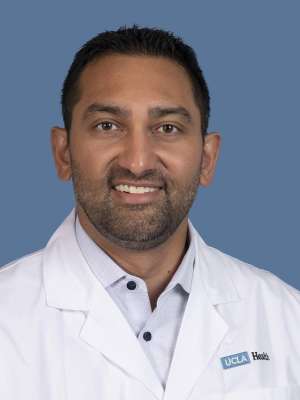
Rushi Parikh, MD
Cardiology
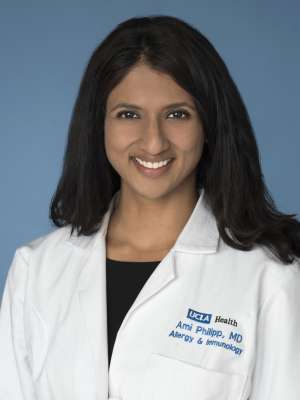
Ami Philipp, MD
Clinical Immunology & Allergy

Courtney L. DeCan, MD, MPH
Clinical Nutrition
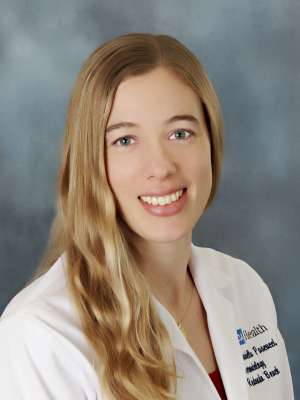
Anabella Pascucci, MD
Dermatology

Mary Farid, DO
Digestive Diseases
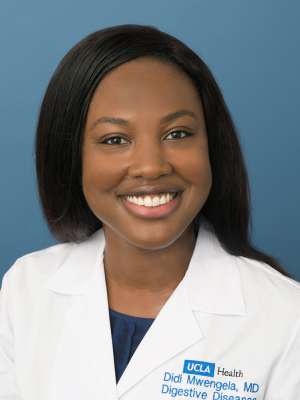
Didi Mwengela, MD
Digestive Diseases
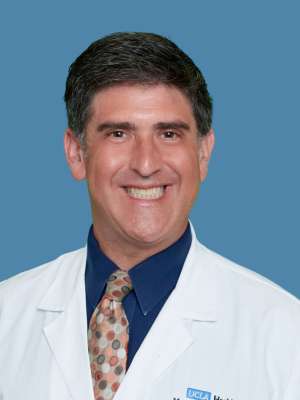
Mike Polisky, MD
Endocrinology

Catherine C. Lindsay, MD
Geriatrics
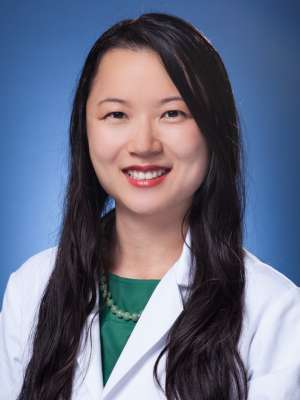
Annie R. Zhang, MD
GIM - East/West Medicine
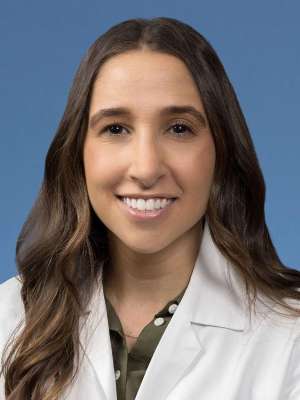
Shira Peress, MD
GIM - Hospitalist
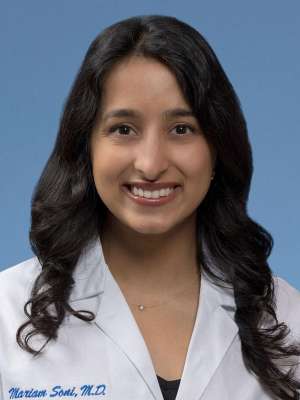
Mariam A. Soni, MD
GIM - Hospitalist
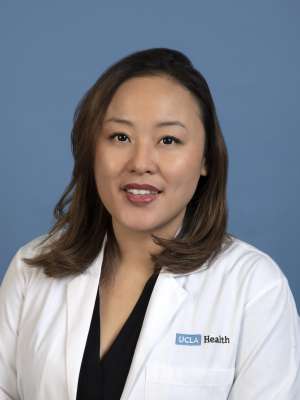
Pauline Yi, MD
GIM - Med-Peds
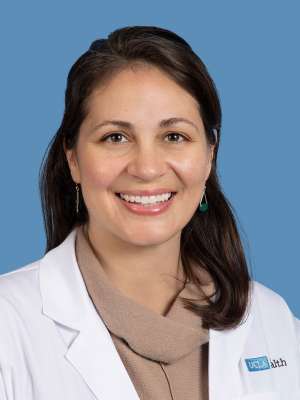
Shannon R. Bell, DO
GIM - Palliative Care

Alina Katsman, MD
GIM - Primary Care
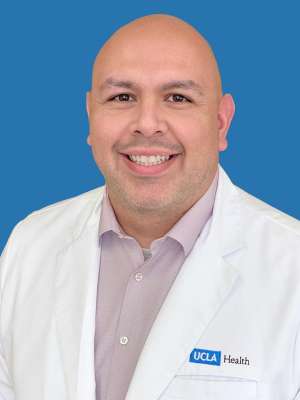
Bryan Medina, MD
GIM - Primary Care
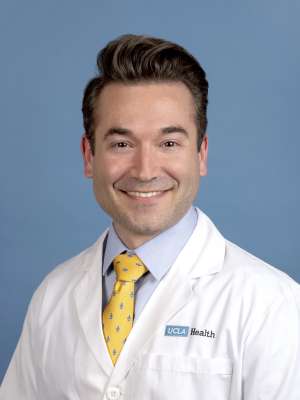
Daniel Punesky, MD
GIM - Primary Care
Jordyn Silverstein, MD, MSc
Hematology-Oncology
Ashlyn N. Sakona, MD
Infectious Diseases
Ramya R. Malchira, MD
Nephrology
Linda P. Vien, MD
Pulmonary & Critical Care
Marian Kaldas, MD
Rheumatology
Wellness Champion Spotlight: Bryan Medina, MD, GIMHSR
For Bryan A. Medina, MD, wellness champion in the division of general internal medicine and health services research, wellness in medicine begins with something simple but powerful: taking care of one another.
As a wellness champion, Dr. Medina is committed to helping create a culture where well-being is valued alongside the many demands of clinical practice. His passion for wellness was shaped by experiences throughout medical school and residency.
"Going through medical school and residency, I saw firsthand how easy it is in medicine to put everything else ahead of your own well-being," he said. "We spend so much of our time taking care of other people that taking care of ourselves, and each other, can sometimes become an afterthought."
As he transitioned from residency into practice, Dr. Medina recognized the importance of being more intentional about supporting the well-being of colleagues and fostering a healthier workplace culture. Becoming a wellness champion provided an opportunity to help make that vision a reality.

"Becoming a wellness champion felt like a great opportunity to help build a culture where we look out for one another and where bringing wellness more front and center can lead to a more fulfilling career," he said.
Among the many aspects of wellness, Dr. Medina is particularly passionate about strengthening connections among colleagues. While healthcare is inherently collaborative, he notes that the day-to-day realities of clinical work can sometimes feel isolating.
"What feels most meaningful to me is strengthening the sense of community and connection within our division," he said. "Our work can be very busy and, at times, isolating, even when we are surrounded by colleagues."
For Dr. Medina, wellness is not always about adding another initiative or activity to an already full schedule. Instead, it is about creating an environment where people feel supported, connected and part of a larger community.
"I think there is a real opportunity to create more intentional ways for people to connect, support one another and feel that they are part of a team," he said. "Sometimes it is about making the work environment itself more supportive and sustainable."
Dr. Medina hopes to help foster a culture where colleagues feel comfortable discussing the challenges of practicing medicine and know they have a strong network of support around them.
"I hope my colleagues feel more connected, supported and comfortable speaking openly about the challenges that come with working in medicine," he said. "Ultimately, if our efforts can make people feel that their well-being is genuinely valued by their colleagues and by the organization, I think that would be a meaningful success."
Wellness Spotlight: Shira Mati Peress, MD, Hospital Medicine
For Shira Mati Peress, MD, wellness is about more than self-care. It is about creating the connections that help people find joy, purpose and belonging in medicine.
As a wellness champion, Dr. Peress is passionate about fostering a culture where colleagues feel supported not only as physicians, but also as people. Her commitment to wellness stems from her own experiences during residency, when she discovered that some of the most meaningful moments in medicine came from the relationships she built with those around her.
"My experience in residency taught me how much joy in medicine can come from the people you work alongside and taking the time to know your colleagues outside of work," she said. "Building those relationships made coming to work feel genuinely enjoyable, and it helped me rediscover the joy and fulfillment in the work itself."
That lesson continues to shape her approach to wellness today. Inspired by the sense of community she experienced early in her career, Dr. Peress became a wellness champion to help cultivate the same environment for her colleagues across the DoM.

At a time when physician burnout remains a significant challenge across healthcare, Dr. Peress believes that connection is one of the most powerful tools for supporting well-being. The demands of medicine can be intense, making it easy to lose sight of the purpose that initially drew many physicians to the profession. She sees an opportunity to counterbalance those pressures by creating a culture where colleagues support one another, celebrate successes and make space for joy.
"Physician burnout feels like one of the most meaningful wellness issues to address because the demands of medicine can make it easy to lose sight of the joy and purpose that brought us to this job in the first place," she said. "Creating a culture where we prioritize connection, supporting one another and making space for joy is essential to sustaining both our well-being and the care we provide to our patients.”
Through her work as a wellness champion, Dr. Peress hopes to help strengthen the sense of community that makes a demanding profession more rewarding. Whether through opportunities for colleagues to connect or share experiences, her goal is to help ensure that every member of the department feels valued and connected.
Wellness Champion Spotlight: Rushi Parikh, MD, Cardiology
For Rushi Parikh, MD, wellness is about creating the space to recharge, reflect and return to work energized.
As the wellness champion for the division of cardiology, Dr. Parikh recognizes that while medicine is deeply rewarding, the demands of clinical and academic careers can sometimes make it difficult for physicians to step away and prioritize their own well-being.
"I decided to serve as a wellness champion in order to be a voice for meaningful professional change that has the potential to lead to improved work-life balance and less burnout," he said.
One issue that has resonated with Dr. Parikh is the challenge many faculty members face when it comes to taking time away from work. Through conversations with both clinical and research faculty, he has repeatedly heard concerns about the difficulty of taking vacation and disconnecting from professional responsibilities.

"One consistent theme that has come up in our division among both the clinical and research faculty is the sentiment that taking vacation is a challenge, and that fully detaching while on vacation is even harder," he said.
As a cardiologist, Dr. Parikh puts his own spin on the importance of rest and recovery, describing it as the professional equivalent of "diastole," the phase of the cardiac cycle when the heart relaxes and refills before its next contraction.
"I have always felt that a 'work hard, play hard' mentality is important for wellness and burnout," he said.
By encouraging a culture that values both professional excellence and personal well-being, Dr. Parikh aims to help colleagues find a healthier and more sustainable balance.
Wellness Champion Spotlight: Linda P. Vien, MD, Pulmonology
For Linda P. Vien, MD, wellness is an essential part of building a rewarding and sustainable career in medicine.
As an early-career faculty member in the UCLA Division of Pulmonary and Critical Care Medicine, Dr. Vien understands the importance of creating space for well-being amid the demands of a busy clinical practice. Her commitment to wellness stems from a desire to contribute beyond patient care.
"I have been seeking opportunities to add value to my work outside of clinical care," she said. "Wellness has been a priority of mine, as I understand its importance for career longevity and personal gratification."
That perspective inspired Dr. Vien to become a wellness champion, a role that allows her to advocate for initiatives that support faculty well-being and strengthen the workplace experience for her colleagues.

"I want to be involved in initiatives that focus on self-care and empower faculty to establish work boundaries," she said. "I hope to encourage open dialogue, discussion and problem-solving for common problems providers face that can often lead to burnout."
Among the areas she hopes to address are reducing the burden of the electronic medical record, cultivating a strong working relationship with supporting staff and creating opportunities for faculty to debrief difficult clinical situations. By encouraging thoughtful conversations around these issues, Dr. Vien hopes to help build a culture where physicians feel supported and equipped to navigate the challenges of modern healthcare.
I truly appreciate the work and collaboration exemplified by members of our community, who are committed to supporting the well-being of each other.
Dale
P.S.
I doubt that there is no one reading this, who did not hear about the passing of Dolly Parton, last week. You might not know that flags have been ordered to be flown at half-staff. So during my run this weekend, I noticed a flag on the trail that appeared to be half-staff up there as well, I wondered if this was a coincidence or intentional.

Related Posts

Over the past several weeks, I have had the privilege of connecting with faculty, staff and trainees from across the UCLA Department of Medicine (DoM).[...]

In my remarks at the beginning of our Research Day last week, I noted that the future of innovation and discovery in the UCLA Department[...]

It is a privilege to lead such a remarkable group of faculty, trainees and colleagues in the UCLA Department of Medicine (DoM). As such, few[...]